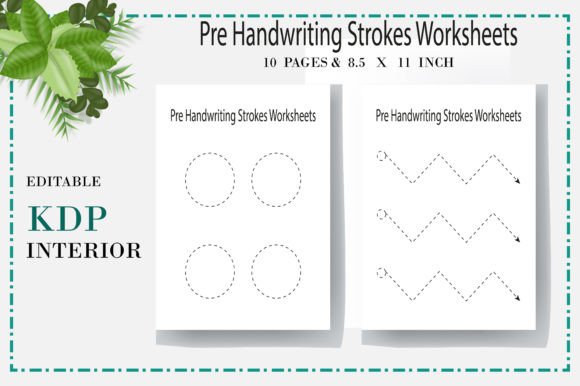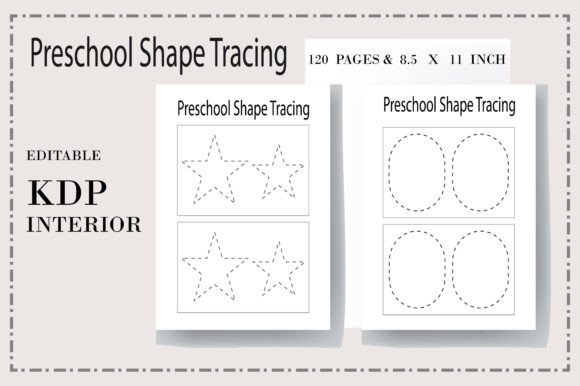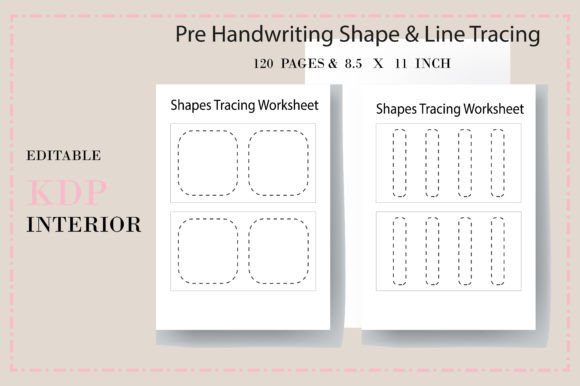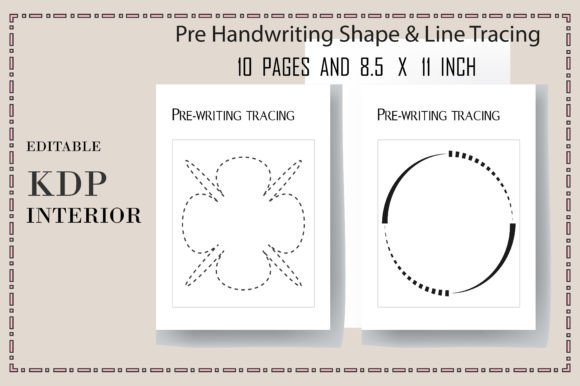
Pre Handwriting Tracing Worksheets: How a 10‑Page Editable Set Fits Into Early Writing Practice
What Pre Handwriting Tracing Is and Why the Resource Format Matters
Dimensions, Bleed, and Print‑Ready Convenience
The Value of an Editable AI File Alongside a PDF
How a 10‑Page Set Compares With Larger Workbooks and Alternative Approaches
When This Style of Pre Handwriting Tracing Is the Right Fit
Situations Where You Might Need a Different Option
Practical Integration Into Daily Routines
The most successful implementation of pre handwriting tracing often ties the activity to an existing classroom rhythm. Morning work is a natural fit: place a single sheet at each seat with a freshly sharpened pencil. Warm‑up activities before formal handwriting instruction wake up small hand muscles and prime attention. Quick evaluations can be as simple as asking a child to trace three different lines while you observe grip, posture, and movement fluidity. Because the set includes 10 pages, you can rotate through them over multiple weeks and reuse the same patterns as a progress check later—perhaps with a different colored pencil to show growth.
Deciding Factors When Evaluating a Pre Handwriting Tracing Resource
Before choosing any tracing set, consider a few practical dimensions. Age and motor development: are the lines age‑appropriate in size? Format flexibility: do you need something you can print immediately and leave alone, or will editing tools save you time in the long run? Page count and progression: does the number of pages match the frequency and duration of practice you plan? For a short‑term intervention or a supplementary station, 10 pages may be just right; for a core curriculum, you’ll likely need more.